Shoppers buy what they can see: how 3D and AR reduce furniture returns
When shoppers see the exact fabric on the exact model – and in their own room – before they buy, they buy with confidence and send less back. Here is what the research says.
Anyone who has bought a sofa online knows the feeling: the photo says “warm beige”, and what arrives in the living room is closer to grey. Or the corner sofa is perfect – except it is 20 centimeters too long for the wall. These gaps do not just end with an unhappy customer. They end with a return, a complaint, a second delivery and a piece that can no longer be sold as new.
Furniture is the category where that mistake costs the most. Pieces are large, often made to order in the chosen fabric, and shipping both ways is expensive. So the question “how do shoppers see exactly what they will get before they buy?” is really a question about your margin.
Why shoppers return furniture bought online
The reasons repeat, and they rarely have anything to do with product quality:
- The color and fabric look different than in the photo. The shopper saw one photo in one color and a tiny swatch, and imagined the rest.
- The piece does not fit the room. The dimensions in the table are correct, but it is hard to picture how much space 280 cm really takes.
- The combination is not what they expected. Dark legs with a light fabric, or a large pattern on a big sofa – it seemed different on paper.
All three share one root cause: the decision was made from an incomplete picture. The more expensive the product and the more options it has, the wider that gap.
What the research shows
Retailers and manufacturers have been measuring what happens when shoppers get an interactive 3D view and AR (augmented reality). The results point the same way:
- 66%of shoppers who used AR while shopping say they are less likely to return the productSnap, Publicis Media and Alter Agents, 2022 – 4,028 respondents
- 80%of shoppers feel more confident in their purchase when AR is part of itSnap, Publicis Media and Alter Agents, 2022
- < 2%returns among shoppers who chose furniture with a virtual 3D view, with sales up more than 60%Macy's and Marxent, three-store pilot, 2018
- 11×more likely to buy for users who viewed furniture in 3D in their own roomHouzz, 2017
The most rigorous work on the topic appeared in the Journal of Marketing (Tan, Chandukala and Reddy, 2022). Using data from a real online retailer, the authors showed that AR lifts sales most where shoppers are least certain: pricier products, less familiar brands and customers buying in a category for the first time. Furniture ticks all three boxes.
Individual cases point the same way. After adding 3D and AR to its Shopify store, manufacturer Gunner Kennels saw a 40% higher order conversion rate and 5% fewer returns compared with the previous quarter.
Why 3D and AR solve the fabric problem
A photo shows one color, from one angle, in one light. For a model with 50 fabrics and three leg finishes, that means the shopper has seen almost none of the combinations – they imagined them from a stamp-sized swatch. A 3D configurator changes that:
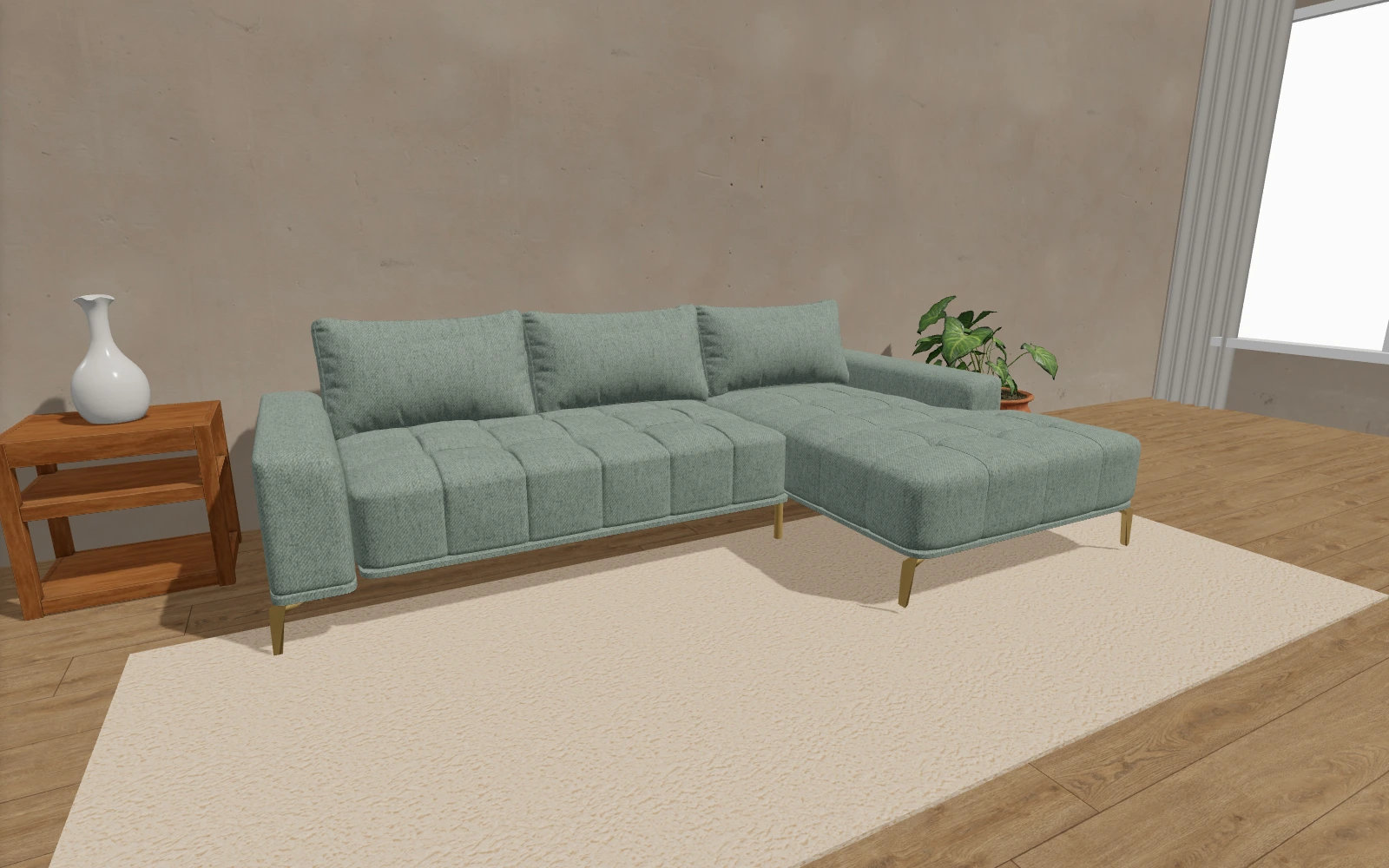
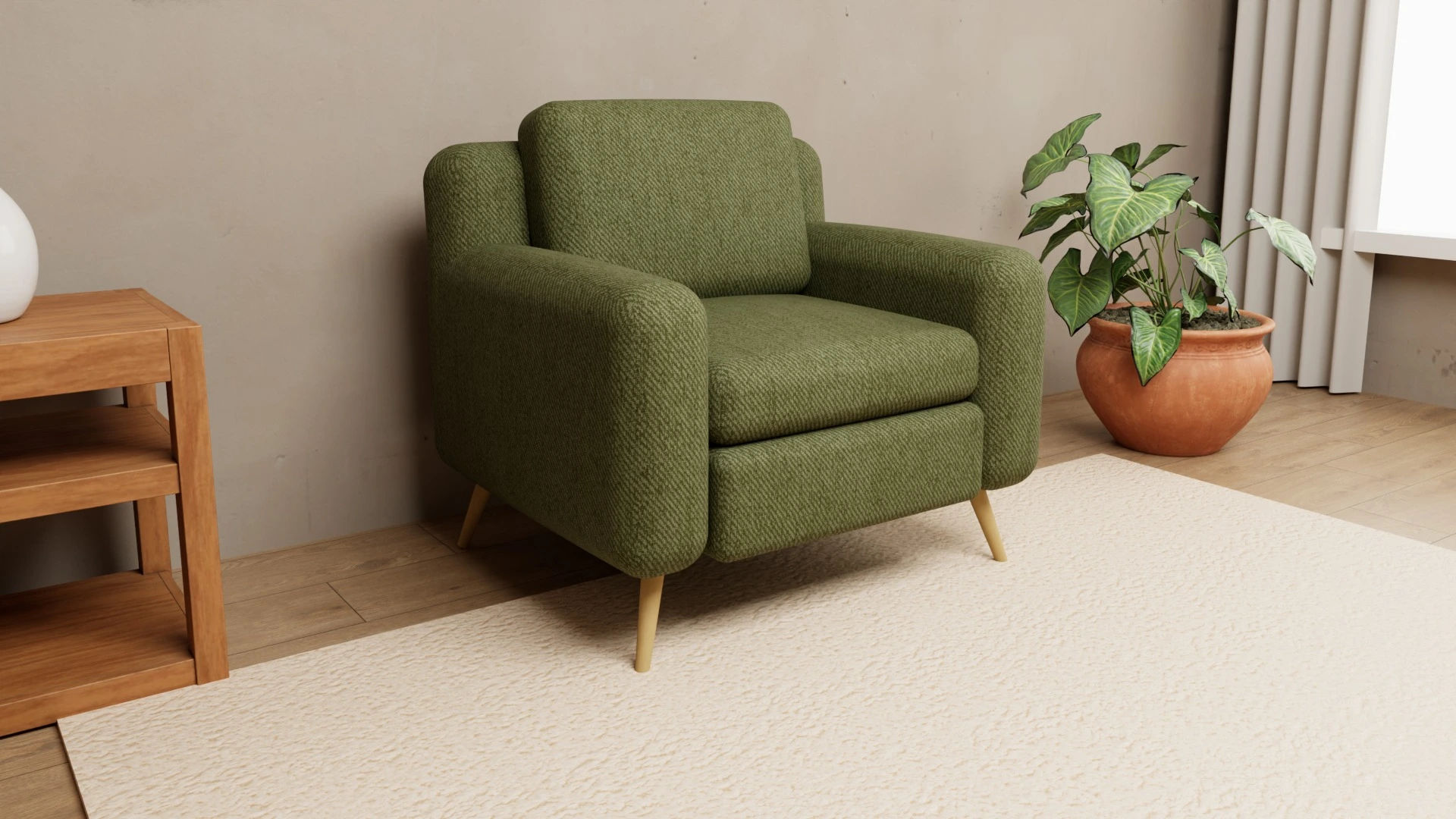
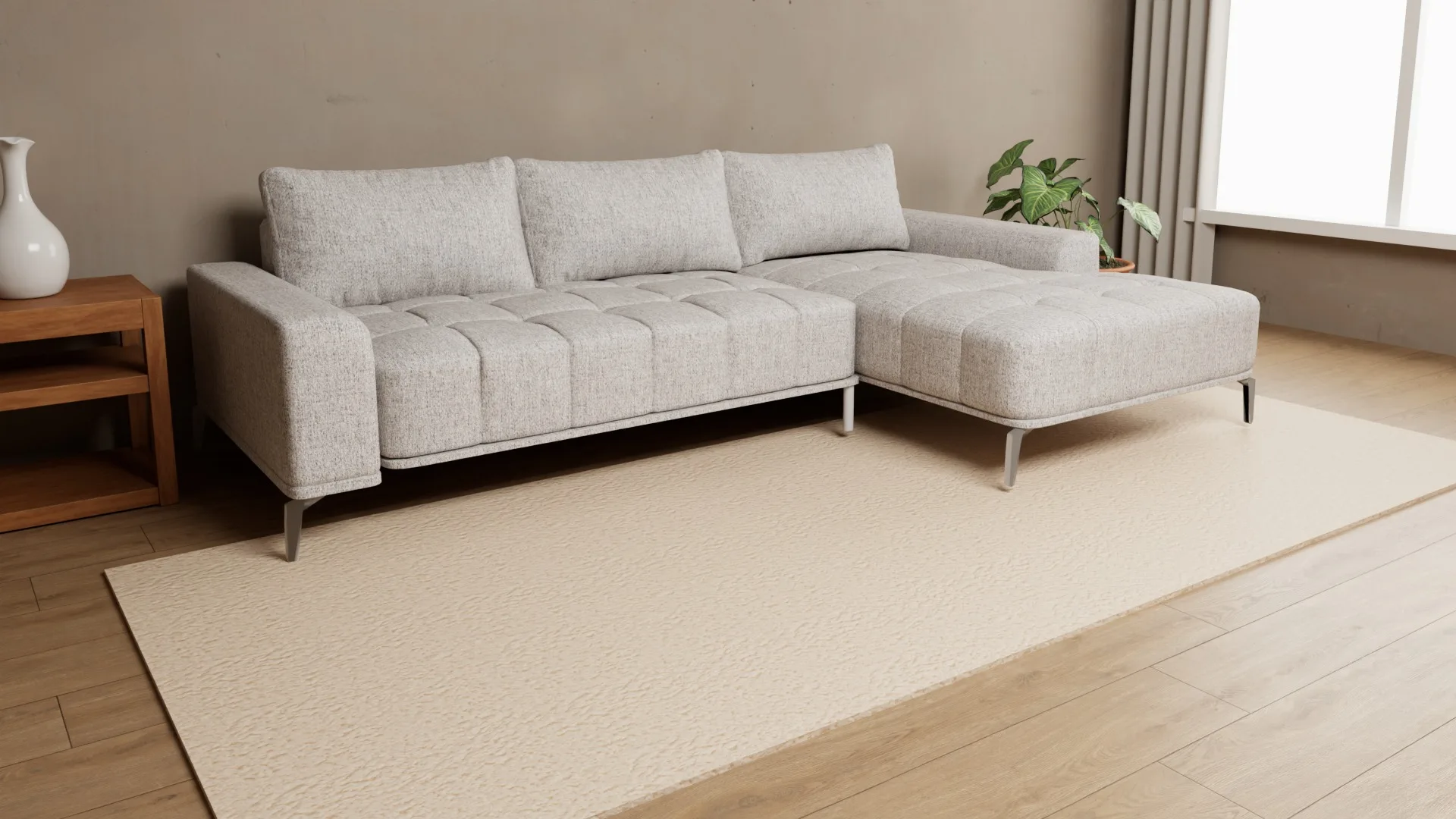
- The real fabric on the real model. The shopper picks a fabric and instantly sees it on the whole sofa, with its texture and sheen, from every angle.
- Patterns at true scale. The weave and pattern are the same size as on the real piece – a ribbed fabric does not look smooth and a large pattern does not shrink.
- The combination they actually order. Fabric, legs, cushions – every combination is visible before the order, not after delivery.
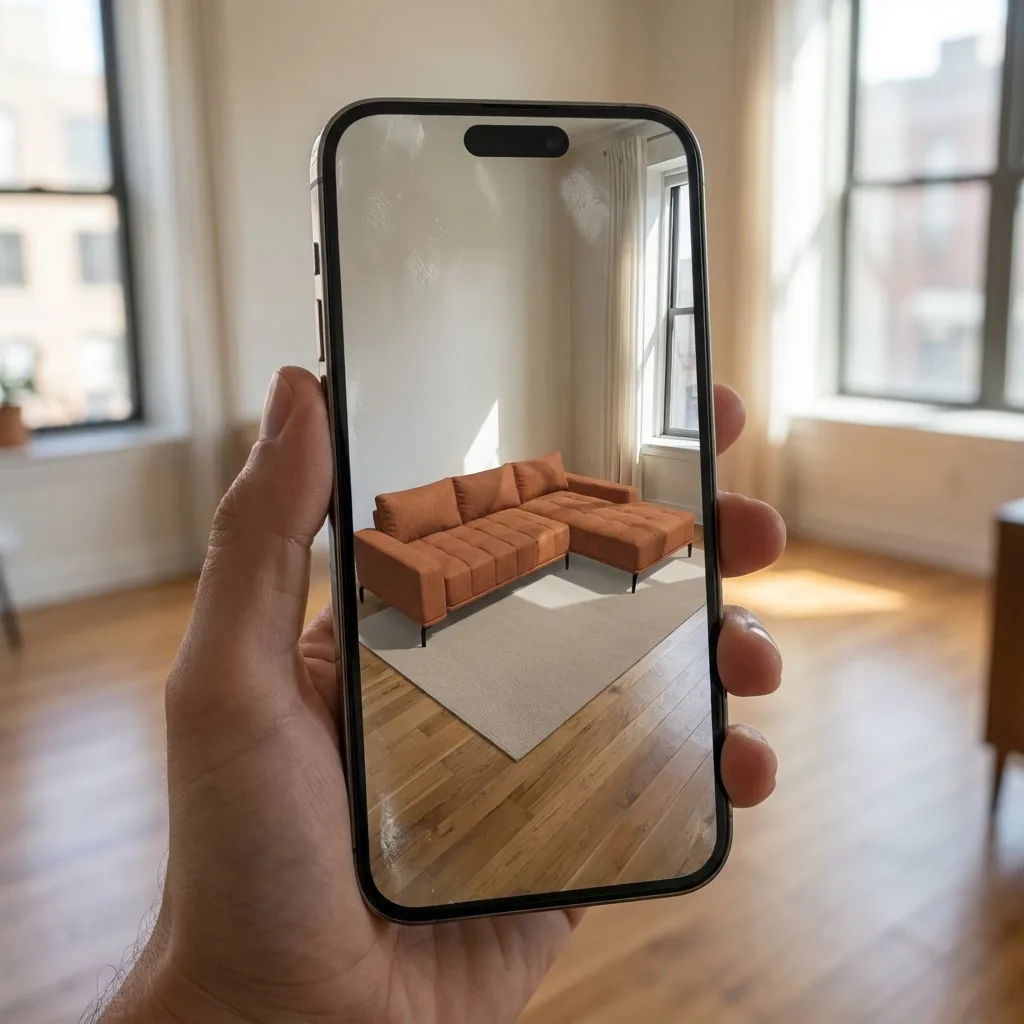
- AR at real size. With a phone, the model is placed in the shopper's room, so they see right away whether it fits and how it looks next to the floor, the walls and other furniture.
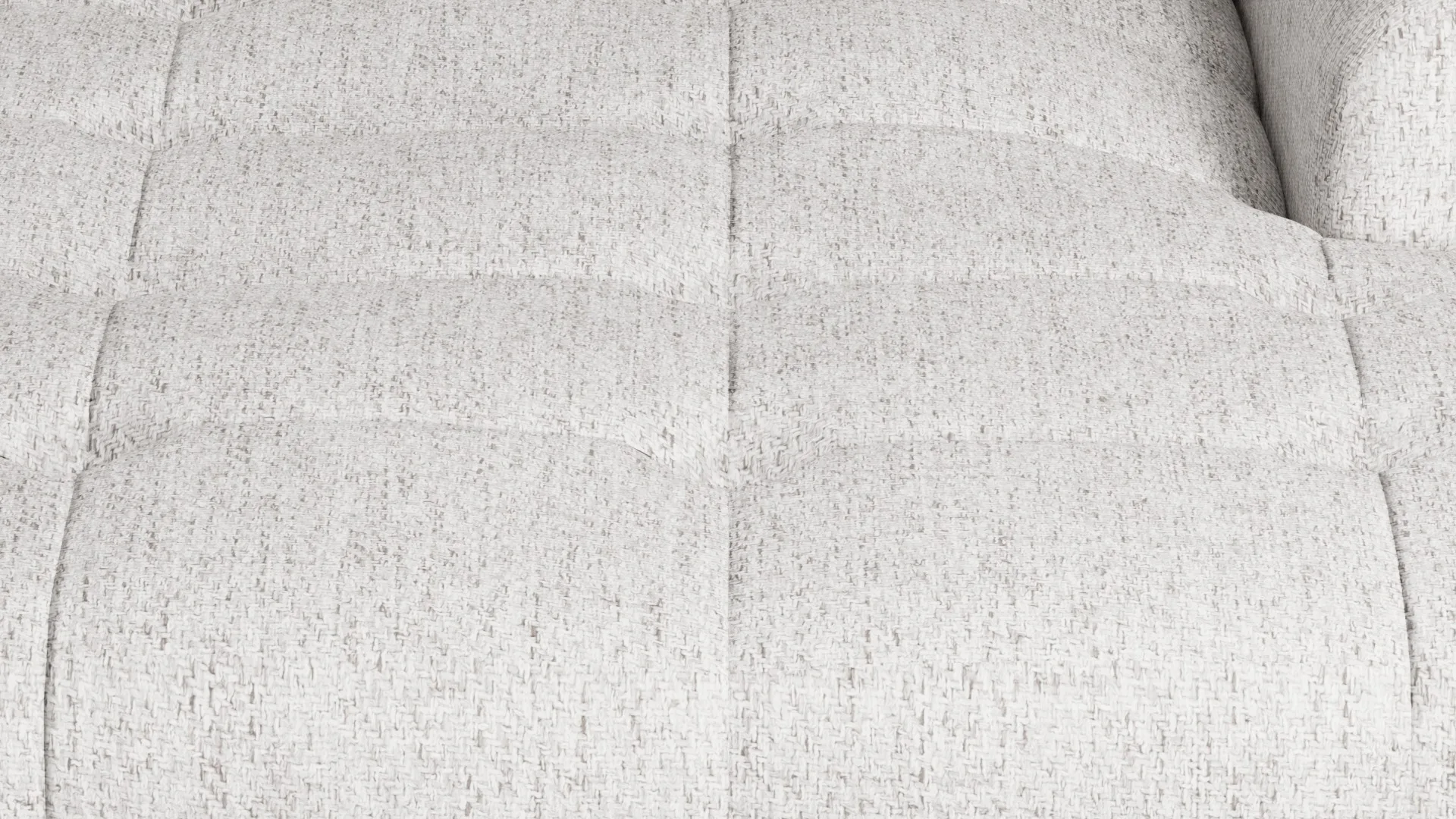
The result: the shopper receives what they have already seen. There is nothing to be surprised by – and no reason to complain about the color or look of the fabric.
One practical tip: for very sensitive tones (beiges, greys, off-whites), keep offering physical swatches. Screens differ, and no viewer can fix that. A 3D view reduces how many shoppers need a swatch at all and how many orders go wrong; the swatch remains the final check.
What it means for your sales
- Fewer returns and complaints – and less money spent on shipping and on goods that come back used.
- Fewer calls and messages asking “what does it look like in grey?” – shoppers see it themselves.
- More trust from shoppers who do not know you yet; they gain the most from checking everything on their own.
- An easier yes to the more expensive option, because the shopper sees it before paying.
How to get started
You do not need to change your website or store. Furni360 goes onto your existing product page with one short snippet, and shoppers get a 3D view with all your materials, AR in their own room and, if you want, studio-quality photos. The quickest way to judge is to try it: open the demo and change the fabric on the corner sofa.
Frequently asked questions
Does a 3D view eliminate furniture returns completely?
No. Returns because of transport damage or a change of heart will always exist. 3D and AR reduce the returns that happen because the product looks different than expected or does not fit the room – and for furniture that is a large share.
Do shoppers need an app for AR?
No. The AR view opens straight from the browser on iPhone and Android phones, and from a computer by scanning a QR code.
How accurately does a 3D configurator show fabric color?
Materials are built from real samples – color, texture, sheen and a pattern at true scale. Shoppers' screens still differ, so for very sensitive tones we recommend offering a physical swatch as well.
Sources
- Snap Inc., Publicis Media & Alter Agents – AR shopping study, 4,028 shoppers, 2022 (Tubefilter)
- Macy's & Marxent – press release, 16 October 2018
- Houzz – View in My Room 3D, 2017 (Furniture Today)
- Tan, Chandukala & Reddy – Augmented Reality in Retail and Its Impact on Sales, Journal of Marketing 86(1), 2022
- Shopify – Gunner Kennels case study (3D and AR)
Figures are taken from the sources listed; most were published by the companies themselves.